Brain Computer Interface (BCI)
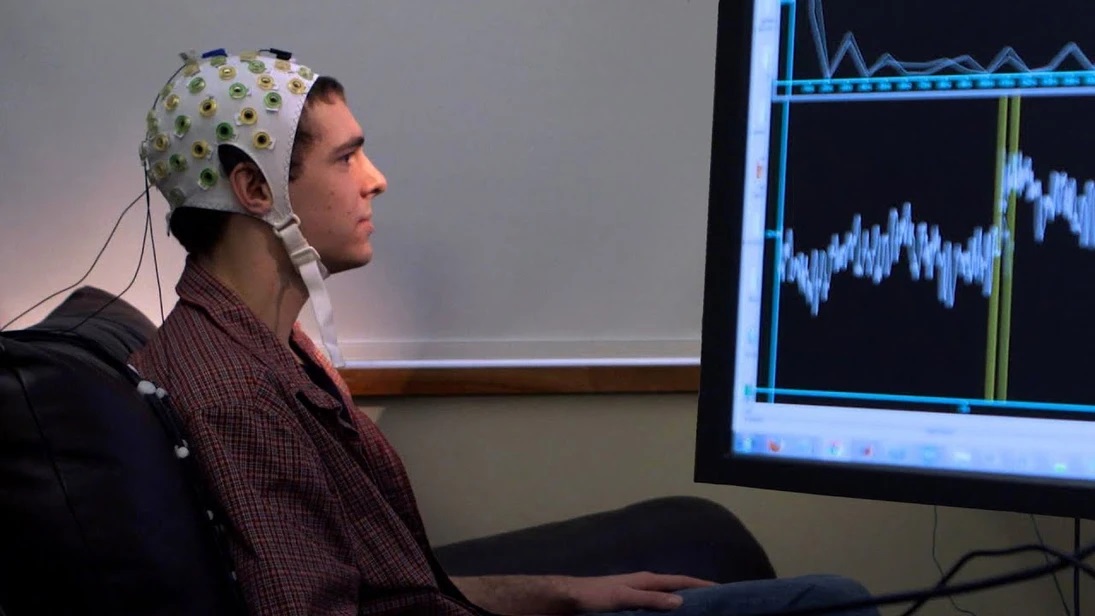
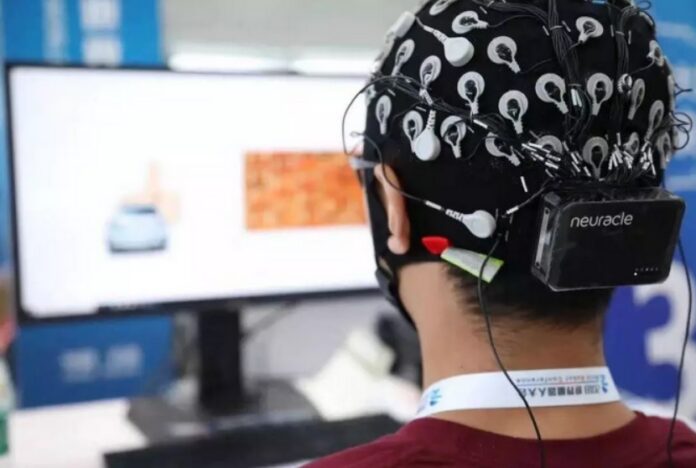
Brain-computer interfaces (BCI) are devices that create a direct communication pathway between a brain’s electrical activity and an external output. Their sensors capture electrophysiological signals transmitted between the brain’s neurons and relay that information to an external source, like a computer or a robotic limb, which essentially lets a person turn their thoughts into actions.
These brain chips go over the scalp in a wearable device, get surgically placed under the scalp or even get implanted within brain tissue. The idea is that, the closer the chip is to the brain’s neural network, the more clear, or “high definition,” a signal can be interpreted.
BCI1 image (1)
BCI2 image (2)
What Is a Brain-Computer Interface
Brain-computer interfaces are devices that process brain activity and send signals to external software, allowing a user to control devices with their thoughts.
With BCI technology, scientists envision a day when patients with paralysis, muscle atrophy and other conditions could regain motor functions. Rehabilitation services could also adopt BCIs to accelerate recovery from injuries.
Ramses Alcaide, CEO of neurotech startup Neurable, which develops non-invasive brain-computer interfaces in the form of headphones, sees potential for BCI-enhanced devices to become an everyday item for the average person.
“If we can make brain-computer interfaces accessible and seamless enough then they can be integrated into our daily lives, just as we use smartphones or laptops today,” Dr.Alcaide told Built In. “But in order to truly become a ubiquitous tool, they need to be comfortable, intuitive and reliable enough that people can use them without consciously thinking about them similar to how we use a mouse or keyboard to interact with a computer.”
Excitement around the possibilities of BCI has resulted in a thriving market, which is expected to triple in size from $2 billion in 2023 to $6.2 billion by the end of the decade.